What Makes a Great Instructor? Insights from My Years of Training Divers

I’ve met so many divers who are curious about technical diving but hesitant — thinking it’s only for elite divers or adrenaline junkies.

It isn’t.

Technical divers are thinkers.
They’re planners.
They’re people who care about doing things properly.

If you’ve got solid buoyancy, situational awareness, and a desire to understand your diving rather than just do it — you’re already halfway there.

Here’s how most divers start the progression:

  • AOW

  • Rescue

  • Nitrox

  • Deep

  • Then Tec 40

At Tec 40, everything changes — your awareness expands, your thinking deepens, and you start to appreciate the beauty of disciplined diving.

You don’t have to be fearless or intense.
You just need to be curious and committed.

IDC Prep: Common Weaknesses I See — And How to Fix Them

When candidates arrive for IDC training, I can usually predict the most common challenges I’ll see — not because the divers are lacking, but because these areas are rarely emphasized in recreational training.

Weaknesses I most often see:

  • Knowledge confidence — they underestimate what they already know

  • Teaching clarity — too much demonstration, not enough explanation

  • Nervousness while speaking

  • Limited situational awareness when task-loaded

  • Trying too hard to be “perfect” instead of being effective

What I tell them is simple:

You don’t have to be a flawless diver — you have to be a communicative one.

An instructor is not a performer — they’re a teacher.

IDC prep is about unlocking the potential you already carry — not transforming you into someone else.


Training at Depth: What It’s Like Doing Tec 50 in Thailand

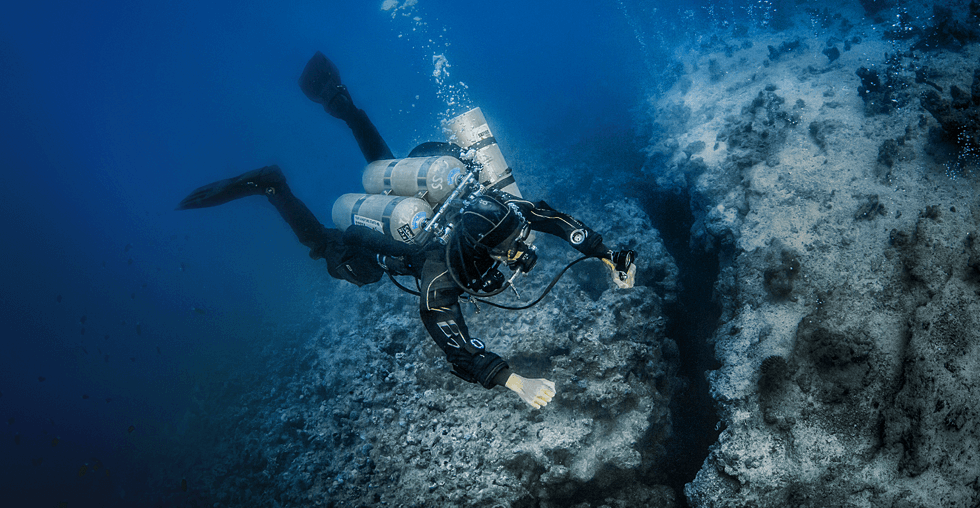
There’s a special kind of calm that comes from doing Tec 50 in Thailand — warm water, clean visibility, and stable conditions let you focus entirely on technique.

Tec 50 is a mental shift. You stop thinking like a recreational diver and begin thinking like a technical one.

During training you’ll:

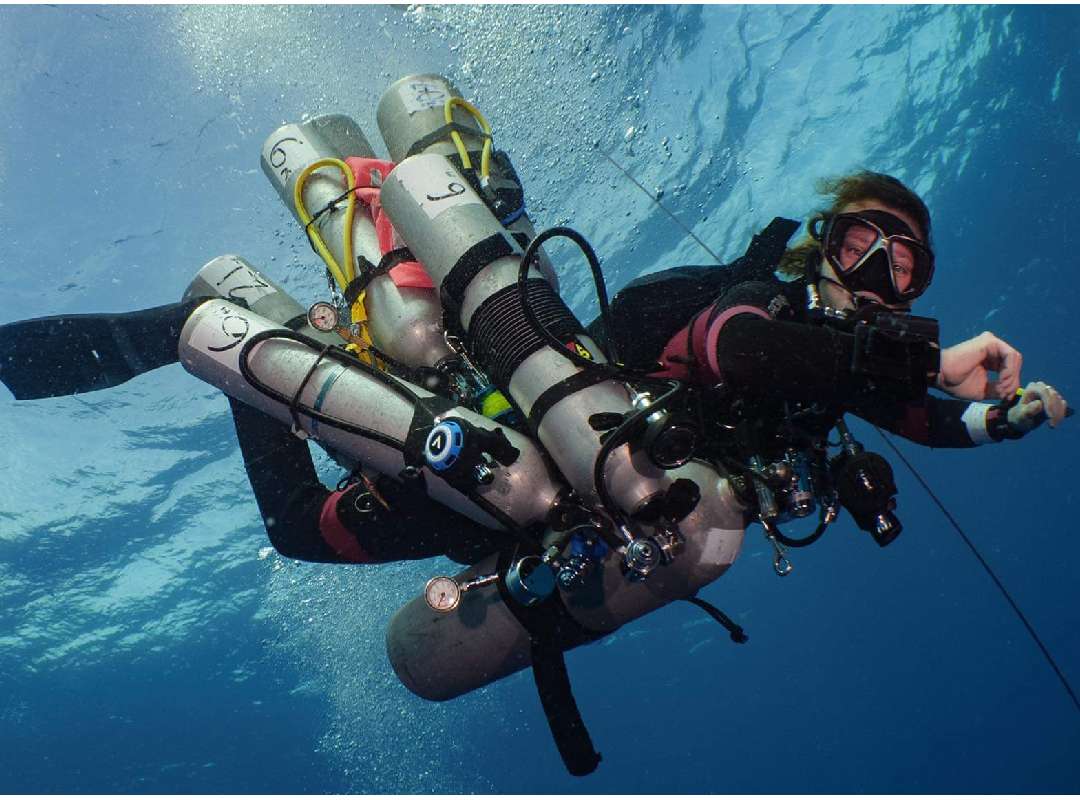
  • handle multiple gases

  • perform long deco stops

  • refine buoyancy under task-loading

  • work as part of a disciplined team

  • rehearse emergencies until the responses become instinct

What surprises divers most is that Tec 50 often feels less stressful, not more.
Because you’re prepared.
Because you’re methodical.
Because you’re thinking ahead.

Being deep isn’t frightening when everything is planned, tested, and rehearsed. It’s actually incredibly peaceful.


Breaking Into Technical Diving: Where to Start and What to Expect

I’ve worked with many instructors over the years, and I’ve learned that a great instructor isn’t the loudest, or the strictest, or the one with the most badges on their chest.

A great instructor is someone who listens.
Explains clearly.
Builds confidence.
Teaches the why, not just the how.

I don’t push divers to “perform.” I guide them toward understanding.
I want every diver to feel capable and calm — not robotic.

Divers should never just memorize procedures — they should understand principles.

That’s why I teach differently:
I don’t produce divers who pass tests — I produce divers who make good decisions underwater.


How Proper Gas Planning Saves Lives — Lessons from Trimix Training


I’ve seen many divers underestimate gas planning — even experienced ones. Not because they’re careless, but because recreational diving doesn’t require the same level of precision.

In Trimix and Tec training, I teach gas planning as a life-support calculation, not a suggestion.

I walk my divers through:

  • minimum gas

  • rock-bottom reserves

  • emergency gas switch protocols

  • breathing rate variability under stress

  • how task-loading affects consumption

  • why helium matters

There’s always a moment where someone looks at their SPG mid-drill and I can see it hit them:
“Ah… this is real.”

At depth — 60m, 70m, 80m — gas disappears faster than most divers intuitively grasp.

That’s why we plan slowly, carefully, and mathematically at the surface.

Technical diving isn’t about being fearless — it’s about being honest with physics and physiology… and planning accordingly.